

Table of contents
- Understanding the Indian Salon Industry Landscape
- Creating a Comprehensive Salon Business Plan
- Legal Requirements and Licenses for Starting a Salon in India
- Choosing the Right Location and Salon Setup
- Designing Your Salon: Layout, Interiors, and Ambience
- Selecting and Implementing Salon Management Software
- Building Your Service Menu and Pricing Strategy
- Sourcing Equipment, Products, and Suppliers
- Hiring, Training, and Managing Salon Staff
- Salon Staff Management: Scheduling, Motivation, and Retention
- Financial Planning, Investment, and Funding Options
- Salon Marketing Strategies for Customer Acquisition
- Building Customer Loyalty and Retention Programs
- Leveraging Technology: Online Booking, CRM, and Digital Payments
- Ensuring Hygiene, Safety, and Compliance Standards
- Managing Inventory and Reducing Operational Costs
- Monitoring Performance and Scaling Your Salon Business
- Conclusion: Your Roadmap to a Successful Salon Business in India
- Common Challenges and Pro Tips for New Salon Owners
Starting a salon business in India is an exciting venture. The beauty industry is booming, offering vast opportunities for growth. However, it requires careful planning and execution.
Understanding the market is crucial. You need to identify your target audience and competitors. This will help you carve out a niche and stand out.
A solid business plan is your roadmap. It should include financial projections, funding options, and marketing strategies. This plan will guide your decisions and attract investors.
Legal compliance is non-negotiable. Obtaining the necessary licenses and permits is essential for smooth operations. It ensures your business is legitimate and trustworthy.
Location is key to success. Choose a spot with high foot traffic and visibility. This will maximize your customer reach and potential revenue.
Designing an inviting salon space enhances customer experience. A well-thought-out layout and ambiance can set you apart from competitors.
Technology plays a vital role in modern salons. Implementing salon management software streamlines operations and improves efficiency. It helps manage appointments, inventory, and customer relationships.
Finally, focus on building a strong brand. Effective marketing strategies will attract and retain customers, ensuring long-term success.
Understanding the Indian Salon Industry Landscape
The Indian salon industry is thriving with tremendous growth potential. It’s driven by rising disposable income and an increasing focus on personal grooming. This environment presents numerous opportunities for aspiring salon owners.
To succeed, understanding the industry dynamics is crucial. Keep track of emerging trends and consumer preferences. This knowledge will help tailor your services to meet market demands effectively.
Key factors influencing the industry include:
- Urbanization and changing lifestyles
- Increase in awareness of grooming and beauty trends
- Expansion of professional salon brands
Grasping these aspects can inform strategic decisions in your salon venture. Recognize your direct and indirect competitors to differentiate your offerings from theirs.
Exploring customer demographics is vital. The target audience often includes young professionals and urban dwellers. These customers are likely to seek tailored, high-quality salon services.
By understanding these elements, you can position your salon for success in a competitive landscape.

Conducting Market Research and Identifying Your Niche
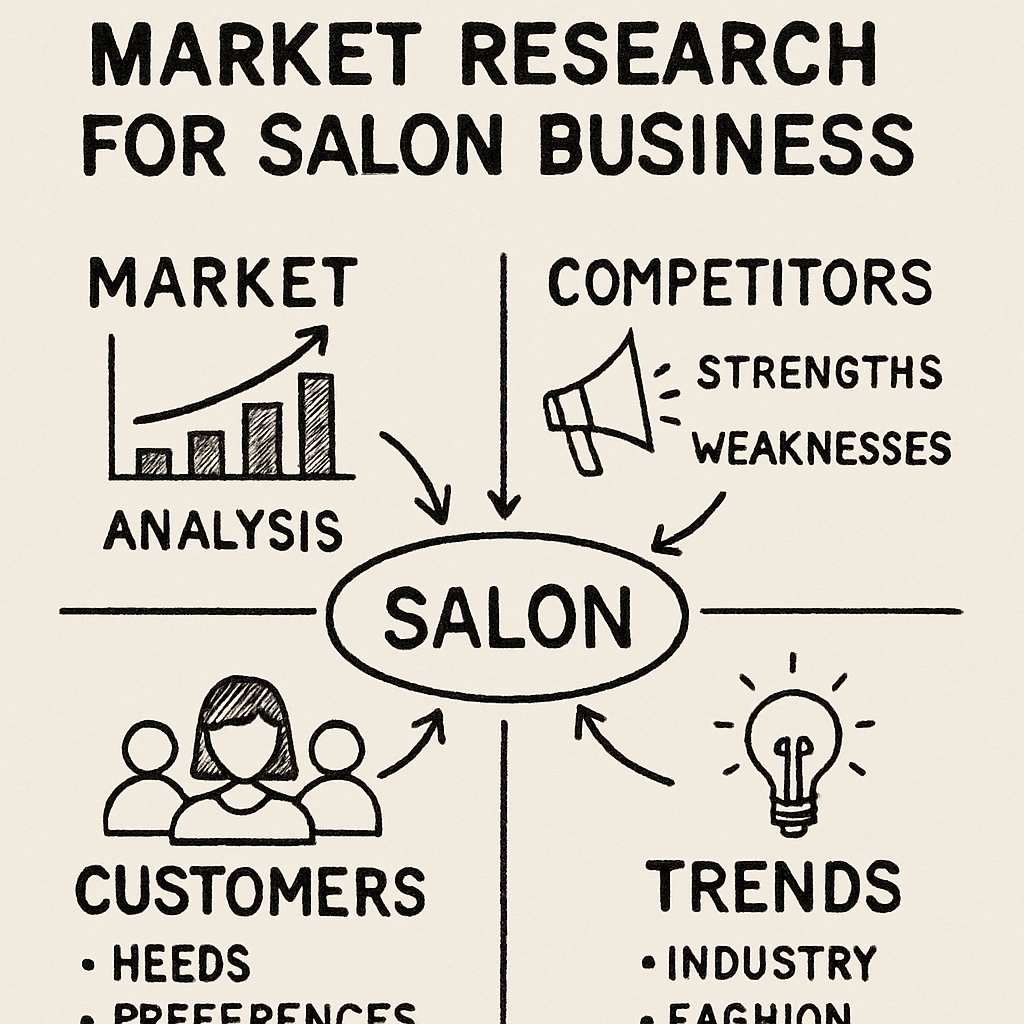
Market research is crucial for starting a salon business in India. It helps you understand your target audience and local competition. Begin by identifying gaps in the market that you can fill.
Focus on understanding what potential customers desire. Conduct surveys or interviews to gather insights into their preferences. This data will inform your services and enhance customer satisfaction.
Finding your niche is essential for standing out. Whether it’s offering organic treatments or specialized services, a clear niche attracts your ideal clientele.
Consider these elements when defining your niche:
- Popular services among your target demographic
- Unique offerings that differentiate you from competitors
- The emerging beauty trends in your area
Do not overlook competitor analysis. Studying their strengths and weaknesses can reveal opportunities. It also helps you avoid repeating their mistakes.
An in-depth market analysis helps tailor your services and marketing strategies. It ensures your offerings align with consumer demand, setting a solid foundation for your salon business.
Creating a Comprehensive Salon Business Plan
Crafting a salon business plan is a vital step in starting a salon business in India. It serves as a roadmap, guiding your decisions and growth. Begin by clearly defining your salon’s vision and objectives.
In your business plan, detail the services you intend to offer. Include descriptions, pricing, and potential service packages. This clarity helps in aligning your marketing and operational strategies.
Financial projections are crucial. Outline your expected startup costs, ongoing expenses, and revenue forecasts. Having this financial blueprint will guide your investment and funding decisions.
Incorporate a thorough market analysis. This section should summarize your findings on target demographics, competitors, and industry trends. It lays the groundwork for your marketing plans.
Here are key components to include in your business plan:
- Executive summary outlining your salon’s mission
- Detailed service and pricing structure
- Comprehensive financial projections and funding needs
- Analysis of market trends and competitor landscape
Additionally, address legal requirements and risks. Understanding permits and licenses ensures compliance and mitigates potential legal challenges.
A well-crafted business plan is not just a document. It’s a dynamic tool that evolves as your salon grows. Regularly revisit and adjust it to reflect your salon’s progress and market changes.
Legal Requirements and Licenses for Starting a Salon in India
Before opening your salon, you must navigate through essential legal requirements. Acquiring proper licenses is mandatory for operating legally and avoids potential fines. First, register your business under the appropriate structure such as sole proprietorship, partnership, or company.The next step is to obtain a Shop and Establishment Act license. This legal requirement ensures your business complies with state-specific workplace standards. The registration process is generally straightforward but varies by state.Don’t forget about hygiene and safety compliance. A health trade license from your local municipal body ensures your salon meets necessary cleanliness standards. It’s crucial to maintain your salon’s reputation and customer trust.Also, consider registering for Goods and Services Tax (GST). If your annual turnover exceeds the threshold limit, GST registration becomes essential. It formalizes your business and facilitates smoother financial operations.
Key Licenses and Registrations:
- Shop and Establishment Act License
- Health Trade License
- GST Registration
- Business Registration (Sole Proprietorship, Partnership, etc.)
Maintain thorough records of all licenses and renew them timely. Following legal protocols helps in building a credible and trusted salon brand.
Choosing the Right Location and Salon Setup
Selecting an ideal location is crucial for a thriving salon. Prioritize areas with high foot traffic for maximum visibility and customer reach. Accessibility is key; ensure your salon is easily reachable by public transport and has ample parking space.
Consider the demographics of the area. Your target clientele should align with the neighborhood’s profile. If targeting high-end services, opt for an upscale locality with potential clients willing to spend.
Your salon’s setup is equally important. Create a spacious and inviting layout that comforts clients from the moment they enter. This contributes to a premium service experience and encourages repeat visits.
In choosing the ideal location and layout, account for these factors:
- Proximity to major roads and public transport
- Demographic alignment with target clientele
- Availability of parking and ease of access
- Adequate space for service areas and waiting lounges
Remember, the right location and enticing salon design can significantly influence your business’s success.

Designing Your Salon: Layout, Interiors, and Ambience
The interior design of your salon sets the tone for client experiences. A well-thought-out layout should facilitate smooth operations while providing comfort. Prioritize ergonomics and efficient space utilization when designing service areas.
Investing in quality furniture enhances both aesthetics and functionality. Choose comfortable, durable seating and modern styling stations that reflect your brand’s identity. Ambience plays a key role, so select lighting that complements your decor and creates a relaxing atmosphere.
To create a distinctive salon ambiance, consider:
- Lighting that balances warmth and clarity
- Color schemes that reflect serenity or energy
- Comfortable, stylish furniture that supports your brand
- Thoughtful decoration using art or plants
Focus on the details. Together, layout and ambiance craft a welcoming space that encourages repeat business.

Selecting and Implementing Salon Management Software
Choosing the right salon management software is vital for seamless operations. It streamlines booking, inventory, and staff management, saving time and reducing errors. This investment frees your team to focus on delivering exceptional customer service.
Identify software features that align with your business needs. Essential functions should include appointment scheduling, client management, and inventory tracking. Robust reporting tools can provide insights into business performance, aiding in informed decision-making.
Consider software that offers cloud integration and mobile accessibility. This ensures you can manage your salon remotely and keep up with client communications on the go. Additionally, check for user-friendly interfaces to ensure swift staff adoption.
Key features to look for include:
- Intuitive appointment scheduling
- Comprehensive customer relationship management (CRM)
- Real-time inventory monitoring
- Integrated payment processing
The right software choice boosts operational efficiency and enhances the customer experience, supporting your salon’s growth and success.
Building Your Service Menu and Pricing Strategy
Creating a balanced service menu is crucial for appealing to diverse customer needs. Begin by listing core services such as haircuts, color treatments, and styling. Consider adding specialized services that highlight your salon’s unique offerings and expertise.
Pricing should reflect the quality of service and target market. Research competitors’ pricing to remain competitive while ensuring profitability. Transparent pricing builds trust and enhances the customer’s perception of value.
Tailor your menu with bundled services to encourage higher spending. Offer seasonal promotions to attract new clients and retain existing ones. Regularly revisit your service menu to keep it fresh and aligned with industry trends.
Suggestions for service menu additions:
- Specialized hair treatments
- Bridal and event packages
- Eco-friendly and organic options
An attractive and clear menu, paired with strategic pricing, enhances customer satisfaction and boosts revenue potential.

Sourcing Equipment, Products, and Suppliers
Quality equipment and products form the backbone of an efficient salon. Start by identifying essential equipment like styling chairs, shampoo units, and hairdryers. Opt for durable and reliable brands to minimize long-term maintenance costs.
Selecting the right products is equally vital. Stock high-quality shampoos, conditioners, and styling products that reflect your salon’s values and customer expectations. Consider eco-friendly or cruelty-free options to cater to conscious consumers.
Develop relationships with reputable suppliers for consistent and timely deliveries. Negotiating prices can also help manage costs. Evaluate different suppliers to ensure quality and reliability.
Key considerations for suppliers and products:
- Consistency in delivery
- Competitive pricing
- After-sales support
Careful sourcing ensures your salon operates smoothly and offers superior service.
Hiring, Training, and Managing Salon Staff
Your salon staff are the face of your business. Their skills and professionalism have a direct impact on customer satisfaction. Begin the hiring process by defining the roles and skills needed for your salon. Look for candidates with relevant experience and a passion for customer service.
Once hired, provide comprehensive training programs. This should cover technical skills, product knowledge, and customer interaction. Continuously updating their skills helps keep your salon competitive in the industry.
Effective staff management goes beyond hiring and training. Creating a positive work environment encourages higher performance and staff loyalty. Establish clear expectations and regular feedback sessions to motivate staff.
Foster open communication within your team. Encourage feedback and suggestions to improve salon operations. This promotes a sense of belonging and investment in the salon’s success.
Key aspects of staff management include:
- Regular training sessions
- Performance reviews and feedback
- Open communication channels
Investing in skilled and satisfied staff leads to exceptional service and a thriving salon.

Salon Staff Management: Scheduling, Motivation, and Retention
Efficient staff scheduling is vital for smooth operations. It ensures that customer demand aligns with staff availability. Use salon management software to handle scheduling tasks seamlessly. This reduces conflicts and ensures adequate coverage during busy hours.
Keeping your staff motivated is crucial for maintaining high service quality. Recognize and reward staff achievements to encourage excellence. This can include bonuses or simple acknowledgments of a job well done.
Retention of skilled staff is essential for salon stability. Create a supportive environment where employees feel valued. Offer career growth opportunities, such as advanced training or promotions, to retain talent.
To manage staff effectively, focus on the following:
- Use management software for scheduling
- Implement a rewards program
- Provide growth opportunities
By prioritizing scheduling and motivation, you create a nurturing environment conducive to long-term staff retention.
Financial Planning, Investment, and Funding Options
Effective financial planning lays the foundation for a successful salon business. Start by estimating initial setup costs, including rent, equipment, and licenses. Determine your working capital needs for the first six months.
Investing wisely is crucial. Allocate funds for high-quality equipment and sustainable products. These expenditures can enhance service delivery and customer satisfaction. It’s important to prioritize spending that aligns with your brand’s values and objectives.
Explore various funding options to support your salon venture. Self-funding is an option if you have personal savings. Alternatively, consider bank loans, partnerships, or angel investors. These options can ease financial burdens and accelerate growth.
When exploring funding, focus on:
- Estimating setup and operational costs
- Allocating budget for equipment and products
- Exploring funding like loans and investors
By planning financially with foresight and caution, you set a solid path towards a successful salon business.

Salon Marketing Strategies for Customer Acquisition
Building a robust marketing strategy is vital for attracting customers. Start by identifying your target audience’s preferences and behaviors. This data will help tailor marketing efforts effectively.
Digital marketing offers a vast reach. Utilize social media to showcase your services, share updates, and engage with potential clients. Platforms like Instagram and Facebook are ideal for reaching beauty enthusiasts.
Traditional marketing shouldn’t be ignored. Flyers, local newspaper ads, and community events can boost visibility among local customers. They complement digital efforts by tapping into a different audience segment.
Collaborate with local businesses to expand your reach. Partner with spas or boutiques for joint promotions. This tactic can introduce your salon to new customer bases effectively.
Consider these marketing steps:
- Leverage social media for wider reach
- Participate in local events for community engagement
- Develop partnerships for mutual promotions
An integrated approach that combines digital and traditional strategies will maximize your customer acquisition efforts.
Building Customer Loyalty and Retention Programs
Creating strong customer loyalty is essential for sustained salon success. Develop programs that reward repeat visits. Loyalty cards offering discounts or freebies can encourage customers to return more frequently.
Personalized experiences enhance customer satisfaction. Collect data on client preferences and tailor services accordingly. For instance, remembering a client’s favorite stylist or preferred hair care product can make a significant impact.
Customer retention strategies include offering unique incentives. Birthday discounts, exclusive member benefits, or referral bonuses foster a sense of belonging. These strategies can boost customer engagement and encourage word-of-mouth marketing.
Key elements for loyalty programs:
- Loyalty cards with rewards
- Personalized service experiences
- Exclusive promotions and discounts
Building customer loyalty requires consistent effort and innovation to keep patrons engaged and satisfied.
Leveraging Technology: Online Booking, CRM, and Digital Payments
Embracing technology is crucial for modernizing salon operations. Incorporating online booking systems enhances convenience for customers. Clients can schedule appointments anytime, reducing no-shows and improving scheduling efficiency.
Utilizing a CRM system helps personalize customer interactions. Keep track of customer preferences, history, and feedback. This data aids in offering tailored services and promotions, ensuring a more personalized experience.
Digital payments simplify transactions, offering customers various options like credit cards or e-wallets. This increases customer satisfaction and speeds up the checkout process. Implementing these technologies can enhance overall customer experience and operational efficiency.
Key technology solutions include:
- Online booking systems for easy scheduling
- CRM for personalized interactions
- Digital payments for seamless transactions
Ensuring Hygiene, Safety, and Compliance Standards
Maintaining high hygiene standards is vital in a salon environment. Regular cleaning and sanitization of tools help prevent infections. This practice not only protects clients but also builds your salon’s reputation.
Safety protocols should address both client and staff well-being. Invest in training your team on proper handling of equipment and hazardous materials. Demonstrating care for their safety fosters trust and loyalty.
Understanding local regulations is important for compliance. Acquire necessary licenses and adhere to industry standards to avoid penalties. Keeping updated with any changes ensures ongoing compliance.
Essential practices include:
- Routine cleaning and tool sterilization
- Staff training on safety protocols
- Compliance with local regulations

Managing Inventory and Reducing Operational Costs
Efficient inventory management can significantly cut operational costs. Start by tracking usage patterns to prevent excess stockpiling. This ensures you only order what’s truly needed for smooth operations.
Technology plays a crucial role in streamlining inventory tasks. Utilize salon management software to automate ordering processes and monitor stock levels. This reduces manual errors and saves time.
Cut costs further by negotiating better deals with suppliers. Establishing strong relationships can lead to discounts and more favorable terms. Look for bulk buying opportunities and deals on frequently used items.
Key steps to remember:
- Track and analyze inventory trends
- Use software for inventory automation
- Negotiate with suppliers for better terms
Monitoring Performance and Scaling Your Salon Business
Monitoring performance is key to growing your salon business. Regularly assess financial metrics, customer feedback, and service efficiency. This helps identify strengths and areas for improvement.
As your salon gains traction, scaling becomes the next step. Plan for expansion by evaluating current resources and market demand. Consider expanding services or opening new locations.
Continuous growth requires strategic actions. Implement these steps to ensure scalability and success:
- Set clear performance goals and KPIs
- Regularly review financial and customer data
- Explore new market opportunities and partnerships
Monitoring and scaling are ongoing processes. Stay flexible and ready to adapt to changes in the business landscape.
Common Challenges and Pro Tips for New Salon Owners
Starting a salon in India comes with unique challenges. Common hurdles include understanding customer preferences and managing operational costs. New salon owners should anticipate these issues and develop strategies to tackle them head-on.
To overcome these challenges, leverage expert advice and real-world experiences. Prioritize customer satisfaction and efficient operations. Focus on offering distinctive services that set your salon apart.
Here are some pro tips for new salon owners:
- Invest in continuous staff training
- Build a strong online presence
- Use customer feedback to improve services
Staying informed about industry trends is crucial. This helps you stay ahead of the curve and meet evolving customer demands effectively.

Conclusion: Your Roadmap to a Successful Salon Business in India
Embarking on the journey of starting a salon in India is both exciting and demanding. The key to success lies in thorough preparation and strategic execution. By understanding market dynamics and implementing effective salon management, you can carve out a niche in the competitive beauty industry.
Continuously adapt to customer needs and industry trends. This proactive approach ensures that your salon remains relevant and appealing. Harness the power of technology and innovative marketing to drive growth and customer satisfaction.
Remain dedicated to delivering excellent service, as it’s the foundation of customer loyalty. With the right strategies in place, your salon can thrive, turning a vision into a successful enterprise.