
Another fully booked day, another impressive-looking bank deposit. But after paying for supplies and rent, you can’t shake the feeling: where did all the money actually go? You’re not bad with money; you’re just missing one simple habit that separates a busy salon from a truly profitable one.
Step 1: Track Your Two Income Streams
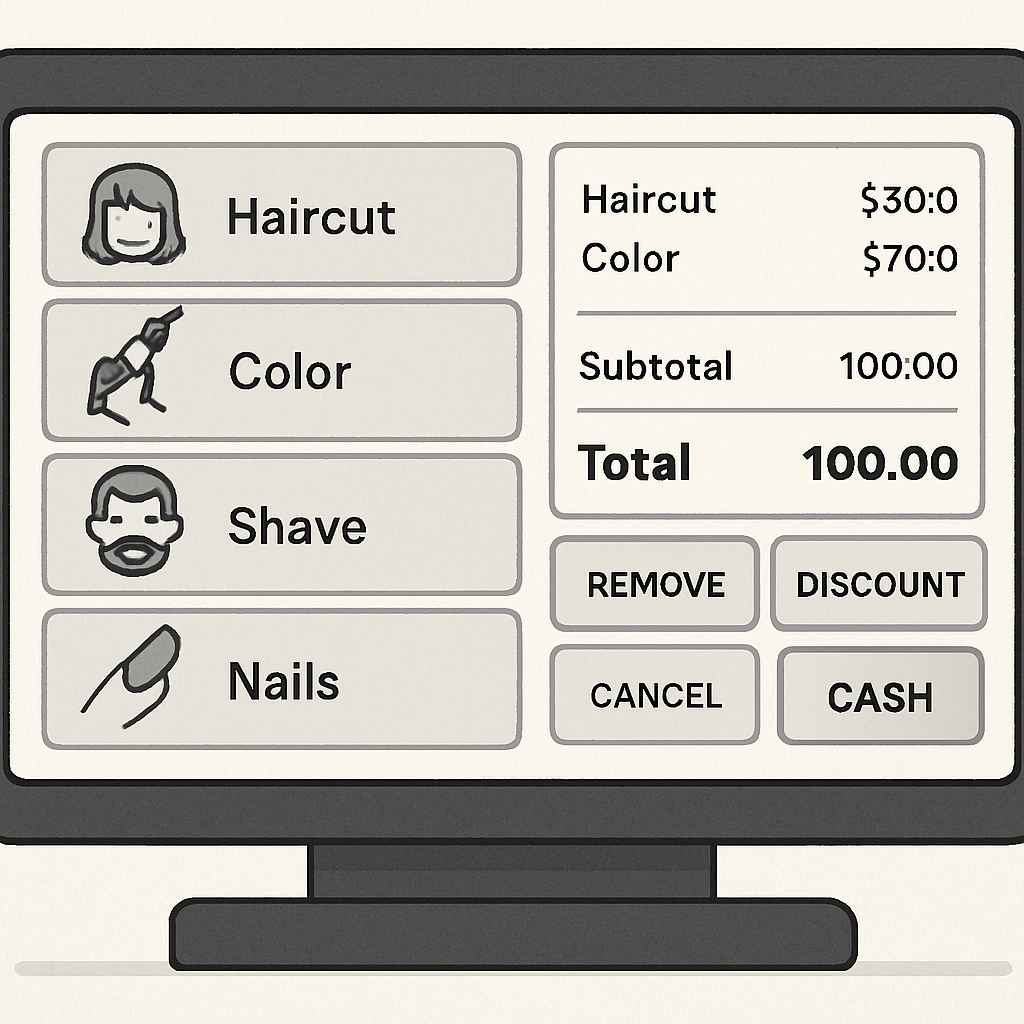
The smartest way to track daily income is to see it as two separate streams. This quick step is one of the most powerful tracking tips for stylists because it instantly reveals what’s driving your business—your skilled hands or the products on your shelf. Separating them shows you what’s working and what’s just collecting dust.
At the end of your day, just add up two numbers to get your “Total Money In”:
Total Service Sales: Money from all cuts, color, and treatments.
Total Product Sales: Money from every shampoo or styling cream you sold.
So, if you had two $180 balayage clients ($360) and sold one $25 bottle of heat protectant, your total salon income for the day is $385.
Step 2: Uncover Hidden Costs with the "Two Buckets" Method
Knowing your total sales for the day is exciting, but it doesn’t tell the whole story. To truly see where your money is going, you have to track your expenses. The simplest way to do this is with the “Two Buckets” method. Instead of staring at a messy pile of receipts, this approach helps you sort every cost into two clear groups, revealing what you actually spend to earn that income.
Think of your first bucket as Service Costs. This is money spent on products you physically use up on a client to perform a specific service. For a balayage, this includes the cost of the lightener, developer, gloss, and foils you used. Learning how you calculate salon service costs for each appointment is the first step to making sure you’re pricing your work profitably and not just guessing.
Your second bucket holds your Business Costs. These are the fixed expenses you pay just to keep your doors open, whether you have one client or ten. This includes costs like your daily portion of booth rent, the fee for your booking software, or credit card processing charges. This list acts as a basic salon chart of accounts example, helping you track professional expenses you might be able to write off.
Separating them is the secret to knowing if your prices truly cover your expenses, as it isolates the direct cost of your work from the general cost of being in business.
Step 3: Find Your "Take-Home Profit" with Simple Math
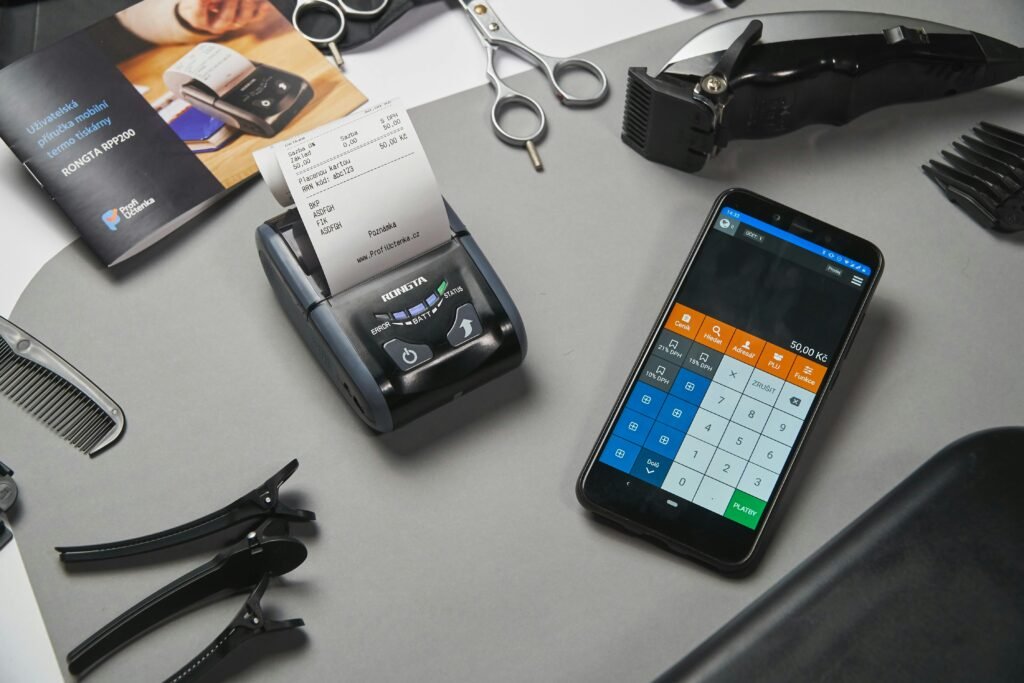
You’ve tracked the money in and the money out. Now for the most rewarding part: seeing what you actually keep. The math is beautifully simple: Total Money In – Total Money Out = Your Take-Home Profit. This number is your true financial snapshot for the day—a personal salon profit and loss statement that answers the question, “Am I really making money?”
A big sales number is exciting, but it doesn’t pay your bills—your profit does. A $500 day where you kept $400 is far better than a $700 day where you only kept $250 after high costs. Focusing on this profit figure, one of the most important salon financial KPIs without the confusing jargon, is what shifts you from just being busy to being truly profitable. It’s the number that guides smart decisions on pricing and spending.
Here’s a quick example. Imagine you brought in $385 in sales. After adding receipts, you spent $44.30 on color and $45 on rent and fees, for a total of $89.30 in costs. Your take-home profit is $295.70. This is the real money you have to pay yourself, save for taxes, or reinvest in your business.
Your Tracking Toolkit: From a Simple Notebook to Smart Software
To do this daily, you just need a system. Think of it like choosing your tools; the best one depends on your comfort level, budget, and how much time you want to spend. There’s no single right answer, only what’s right for you.
Finding your perfect method is easier than you think. The debate over using salon software vs spreadsheet for finances is common, but your options really boil down to three simple levels:
The Dedicated Notebook: The ultimate free option. It’s simple and tangible, but it means you have to do all the addition and subtraction manually at the end of a long day.
A Spreadsheet Template: The perfect middle ground. A pre-built salon income and expense spreadsheet does the profit calculation for you—all you have to do is plug in your numbers.
Salon Software: The easiest choice. Apps like Square, GlossGenius, or Vagaro track your sales automatically and can categorize expenses, making them some of the best salon accounting software options. This power comes with a monthly fee.
If you want to start this second with zero cost, a notebook is perfect. If you’re ready to save time on calculations, a spreadsheet is your best bet. And if you’re willing to invest a little to automate the process, software is a game-changer. The best tool is the one you’ll actually stick with.
Your 10-Minute Habit for a Stress-Free Business

With this method, you can finally find the truth behind your daily numbers: tally your money in, subtract your money out, and reveal what you actually keep. This is the most powerful step to truly owning your business’s bottom line.
Imagine it’s tax season. Instead of a weekend of panic, you have a clear summary ready to go. These are the long-term benefits of salon financial reporting; turning stress into confidence by managing salon cash flow effectively.
This transformation begins with one ten-minute habit. Take a few minutes tonight to track today’s numbers. It’s a simple action that puts you in control. You have everything you need to start.