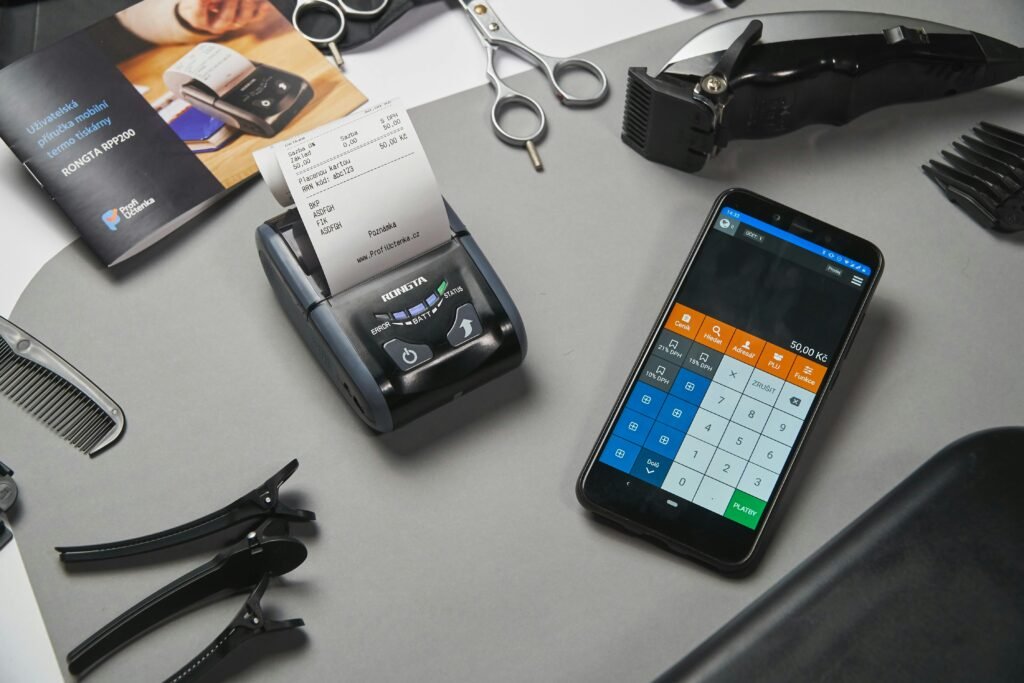
Running a salon involves juggling many tasks. From booking appointments to managing inventory, the workload can be overwhelming. Traditionally, salons have relied on manual methods. These include paper-based systems for scheduling and billing. However, this approach can be time-consuming and prone to errors.
Enter digital salon management solutions. These tools promise to streamline operations and enhance efficiency. They offer features like online booking and automated billing. This shift from manual to digital is transforming the beauty industry.
Salon booking software allows clients to schedule appointments online. This reduces no-shows and increases convenience. Digital systems also provide real-time inventory tracking. This helps salons manage stock levels efficiently.
The choice between manual and digital management is crucial. It impacts customer satisfaction and operational efficiency. Understanding the benefits and drawbacks of each approach is essential. This article will explore these aspects in detail.
The Traditional Approach: Manual Salon Management
Managing a salon manually involves paper-based methods. This includes handwritten appointment books and manual billing processes. Such systems have been staples for many years. However, they come with limitations that can hinder growth and efficiency.
One major challenge is human error. Writing appointments can lead to scheduling conflicts. Moreover, tracking appointments by hand is tedious and often results in mistakes. These errors can cost time and customer trust.
Inventory management is another hurdle. Manually keeping stock records often leads to inaccuracies. Salons risk either over-ordering or facing stockouts. These issues can affect service quality and salon profitability.

Despite these drawbacks, manual methods have some advantages. They require minimal initial investment. Moreover, many long-established salons find comfort in familiar systems. Staff who are not tech-savvy may prefer these approaches.
Common Manual Management Tools:
- Appointment Books: Utilized for scheduling and tracking bookings.
- Paper Ledgers: Used for recording financial transactions and sales.

There are other facets to consider as well. Keeping track of customer preferences manually is cumbersome. Loyalty programs, if managed by hand, lack personalization.
Finally, manual billing involves physical invoicing and receipts. This increases the risk of losing records and makes audits challenging. As salons grow, these systems become increasingly inefficient and difficult to manage.
For salons to stay competitive, reconsidering manual processes becomes crucial. This approach might suit very small operations but poses scalability challenges. Today’s fast-paced market demands more robust systems for long-term success.
The Digital Revolution: Salon Management Solutions Explained
The advent of digital technology has transformed salon management. Today, salon owners are turning to digital solutions for greater efficiency and control. These tools offer streamlined processes that were unheard of in manual systems.
Salon management solutions integrate various functions into one platform. From online booking to inventory control, these tools simplify operations. This level of integration reduces errors and saves time.

Another significant advantage is automation. Digital systems automate many routine tasks, freeing up staff for personalized customer service. This can greatly enhance customer satisfaction.
Features of Digital Salon Management:
- Automation: Reduces human error in scheduling and billing.
- Integration: Combines customer booking, CRM, and inventory tracking.
Real-time capabilities also set digital tools apart. Real-time updates allow for accurate reporting and analysis. Owners and managers can track appointments and inventory levels instantly.
Digital solutions come equipped with CRM features. These enable personalized marketing and promotions. Customer retention sees a boost through targeted engagement strategies.

Security is another crucial factor. Modern salon software offers secure data protection. This ensures customer data remains confidential and reduces the risk of breaches.
Benefits of Using Digital Tools:
- Security: Protects sensitive client and business data.
- CRM Capabilities: Enhance customer retention through personalized interaction.
Lastly, digital management solutions often include ongoing support and updates. These keep systems current with industry trends and technology advancements. The transition might require an initial investment, but the efficiency and scalability gains are considerable. By embracing digital tools, salons can operate more smoothly and position themselves as modern and forward-thinking businesses.
Key Features of Modern Salon Software
Modern salon software is a powerful toolset designed to cater to the diverse needs of salon businesses. It integrates various functions that are essential for efficient salon operations, ensuring a seamless experience for both staff and clients.
One of the standout features is online booking. Clients can schedule appointments at their convenience, reducing no-shows. This feature leads to better resource management and increased customer satisfaction.

Automated reminders are another useful feature. They help confirm appointments, minimizing the risk of cancellations. Automated notifications ensure clients are reminded of their scheduled visits, enhancing reliability.
Inventory management is also digitalized, allowing real-time tracking of stock levels. This helps in avoiding over-ordering and stockouts, optimizing inventory costs and ensuring products are always available.
Core Functionalities of Salon Management Software:
- Online Booking: Offers 24/7 appointment scheduling.
- Automated Reminders: Reduces last-minute cancellations.
Customer Relationship Management (CRM) features are integrated into the software, allowing salons to engage customers effectively. Through personalized marketing, salons can retain clients by tailoring promotions based on preferences and past behaviors.
Another critical aspect is financial management. Salon billing software automates transactions, making billing efficient and accurate. This feature streamlines the checkout process, enhancing the client’s payment experience.

Comprehensive reporting and analytics offer insights into business performance. Managers can analyze data on sales, customer preferences, and staff productivity. These insights enable data-driven decisions to improve operations.
Additional Advantages:
- Inventory Tracking: Ensures optimal stock levels.
- Comprehensive Analytics: Provides insights for strategic planning.
Scalability is inherent in modern systems, allowing salons to grow without overhauling their software. As businesses expand, they can add features and users, maintaining operational efficiency.
Security is paramount in salon management solutions, with robust measures to protect sensitive information. Clients trust that their personal details are secure, which is vital for the salon’s reputation.
Overall, modern salon software offers a comprehensive suite of functionalities that can revolutionize salon operations, drive growth, and enhance client satisfaction.
Real-World Comparison: Manual vs Digital Management
Managing a salon can be significantly different when comparing manual methods with digital solutions. Each has its unique benefits and challenges, affecting various aspects of business operations.
Manual management relies heavily on paper-based systems. Record-keeping is a labor-intensive process, prone to errors and misplacements. Booking appointments manually can lead to scheduling conflicts and oversight.
On the other hand, digital management systems automate many of these processes. Salon booking software allows for seamless appointment scheduling, reducing errors and optimizing time management. Clients book online, improving convenience and reducing administrative workload.

Staff management benefits from digital tools too. Scheduling software ensures optimal resource allocation, minimizing downtime. With manual methods, coordinating shifts and time-off can be cumbersome and inefficient.
Manual Management Drawbacks:
- Error-Prone: High risk of data entry mistakes.
- Time-Consuming: Manual processes are slower and less efficient.
Digital solutions come equipped with features to manage inventory effectively. Real-time tracking replaces periodic manual stock checks, significantly improving accuracy. Salons avoid stockouts and over-ordering with automated reminders.
Billing is another area of contrast. Manual billing involves physical receipts, often leading to errors in transactions. In contrast, salon billing software automates the financial processes, ensuring accuracy and speed.

Digital Management Benefits:
- Automation: Streamlines operations and reduces errors.
- Analytics: Provides detailed insights for informed decision-making.
Customer relationship management is more dynamic with digital systems. CRM features help salons tailor promotions to specific client preferences, enhancing retention. Personalized communication is a challenge with manual methods.
Cost considerations reveal further differences. While manual systems may appear less expensive initially, they incur higher long-term costs through inefficiency. Digital systems may have upfront costs, but their automation leads to savings over time.
Ultimately, choosing between manual and digital management depends on a salon’s size, goals, and budget. However, modern salon management solutions offer substantial advantages in efficiency, customer satisfaction, and scalability, setting them apart in the real-world business environment.
Deep Dive: Salon Booking Software and Online Scheduling
Salon booking software is a game-changer for modern salons. It offers clients and staff a seamless scheduling experience that manual systems cannot match.
Clients value convenience and flexibility when booking appointments. Online scheduling allows customers to book anytime, without waiting for business hours. This increases booking frequency and reduces no-shows.

For salon staff, scheduling software simplifies tracking appointments. It eliminates double bookings and miscommunications. Managers can view schedules in real-time, aiding efficient time management.
Benefits of Salon Booking Software:
- 24/7 Accessibility: Clients book at their convenience.
- Reduced No-Shows: Automated reminders decrease client forgetfulness.
- Improved Efficiency: Streamlines operations and reduces errors.
Automated reminders further enhance the system. Clients receive notifications about upcoming appointments, helping them stay on track. This feature alone can significantly improve the overall client experience.
The ability to integrate booking software with other salon tools adds value. It syncs with CRM systems, allowing salons to personalize client experiences. This integration leads to improved customer service and satisfaction.
Ultimately, digital scheduling tools empower salon owners. They provide a professional image and enhance operational efficiency. Salon software transforms not just client interaction but also business management.
By embracing these systems, salons can ensure they remain competitive in an industry that values both client engagement and operational excellence.
Inventory and Billing: From Paper to Automation
Managing inventory manually is often daunting. Traditional methods involve tracking stock levels using paper and spreadsheets, which can be error-prone and time-consuming.
Switching to automated systems transforms inventory management. Salon software provides real-time stock tracking, ensuring supplies are always available.

Automated inventory tools notify managers when stock is low. This prevents over-ordering and eliminates the risk of running out of key products. It optimizes cash flow and reduces waste.
Advantages of Automated Inventory and Billing:
- Real-Time Tracking: Instant updates on product levels.
- Error Reduction: Automated systems decrease human error.
- Efficient Reordering: Automated alerts when stock is low.
Billing processes also benefit from automation. Salon billing software simplifies and accelerates transactions. It ensures payments are accurate and recorded promptly, reducing administrative burdens.
Clients appreciate seamless billing. Digital solutions facilitate easy payments with various options, enhancing customer satisfaction and loyalty.
Automated billing provides valuable insights into revenue trends and client spending habits. Such analytics support better business decisions and financial planning.
Embracing digital tools in inventory and billing leads to a more organized and efficient salon operation. It allows salon managers to focus on delivering quality service rather than being bogged down by manual processes. Transitioning to these solutions is a strategic move that aligns with modern business practices.
Customer Retention and CRM: Building Loyalty Digitally
Customer retention is crucial for salon success. Traditional methods rely on personal relationships and word of mouth, which have limitations.
Digital solutions offer robust customer relationship management (CRM) features. These tools help salons maintain and enhance client relationships effectively.

A good CRM system tracks client preferences and past appointments. This allows salons to offer personalized experiences, fostering loyalty.
Benefits of Digital CRM Systems:
- Personalized Marketing: Tailor promotions to individual client needs.
- Appointment Reminders: Reduce no-shows with automated reminders.
- Client Feedback: Easily collect and analyze customer reviews.
Automated communication is a key feature. It keeps clients engaged with regular updates on promotions, new services, and exclusive offers.
Moreover, CRM systems can automate loyalty programs. Rewarding repeat clients encourages further engagement and increases their lifetime value to the salon.
Data-driven insights from CRM help identify client trends. This enables salons to adjust services to meet evolving client needs better.
Implementing digital CRM solutions positions salons to compete in a modern market. It enhances customer satisfaction and boosts retention rates effectively. By prioritizing digital tools for customer management, salons can build a loyal client base that supports sustainable growth.
Staff and Resource Management: Efficiency Gains with Digital Tools
Managing staff schedules manually can be tedious and inefficient. Digital tools streamline this process, saving time and reducing conflicts.

Effective staff management ensures resources are used wisely. This boosts productivity and enhances client satisfaction during peak hours.
Digital scheduling apps offer real-time updates. This helps managers easily adjust shifts when needed, accommodating both staff preferences and business needs.
Advantages of Digital Tools for Staff Management:
- Shift Planning: Optimizes schedules to prevent overstaffing or understaffing.
- Time Tracking: Automatic logging of hours worked for payroll accuracy.
- Communication: Facilitates seamless communication among team members.
Moreover, digital tools can analyze staff performance. Recognizing top performers aids in rewarding and motivating employees appropriately.
Resource allocation becomes simpler with digital tracking. Managers can ensure efficient distribution of services, reducing downtime and maximizing salon profitability.
Embracing digital management tools enhances both operational flow and employee morale. It provides a structured, transparent system that benefits the entire team, ultimately leading to a more productive and harmonious work environment. By leveraging these tools, salons can ensure their resources are used optimally, aligning with their strategic goals for growth and customer service excellence.
Data, Analytics, and Reporting: Making Informed Decisions
In today’s data-driven world, having real-time insights is crucial for salon success. Digital solutions offer robust analytics and reporting features, which transform raw data into meaningful insights.

These insights help salon owners identify trends. Understanding peak times, popular services, and customer preferences can shape strategic decisions, leading to better resource allocation and marketing efforts.
Key Benefits of Data and Analytics in Salons:
- Performance Tracking: Monitors staff efficiency and service popularity.
- Customer Insights: Enhances personalized marketing through detailed client histories.
- Financial Analysis: Assesses profitability and operational costs for better budgeting.
With detailed reports, owners can anticipate market demands. This empowers them to stay ahead of competitors, adapting services and promotions as needed.
Additionally, digital reporting tools simplify compliance and auditing tasks. Automated records make it easier to track business health and ensure adherence to regulations, fostering a transparent and well-managed environment. By leveraging data effectively, salons can enhance decision-making processes, ensuring a competitive edge in the fast-paced beauty industry.
Security, Compliance, and Data Protection
In a digital age, protecting sensitive data is vital for salons. Modern salon management solutions emphasize security to safeguard client and business information. These systems often come with robust encryption and multi-layered security protocols.

How Digital Solutions Enhance Security:
- Data Encryption: Ensures sensitive information remains confidential.
- User Access Controls: Restricts data access to authorized personnel only.
- Regular Backups: Prevents data loss in case of system failures.
Ensuring compliance with regulations, such as data protection laws, is integral for business credibility. Digital systems provide automated compliance checks, minimizing risks associated with manual error.
Moreover, regular software updates enhance security by addressing vulnerabilities promptly. This proactive approach builds customer trust, as clients feel confident that their data is handled with care and confidentiality.
Cost Analysis: Short-Term vs Long-Term Investment
Understanding the financial implications of salon management solutions can influence a salon’s decision-making. Initially, manual systems may appear more affordable due to lower setup costs. However, these systems often incur hidden expenses over time.

Digital solutions require an upfront investment that includes software purchase and potential hardware upgrades. Yet, these costs are balanced by long-term savings. Digital systems streamline operations, leading to reduced labor hours and increased efficiency.
Key Cost Benefits of Digital Solutions:
- Reduced Human Error: Minimizes costly mistakes.
- Automation: Decreases labor-intensive tasks.
- Scalability: Prevents future upgrade expenses.
While training for new digital tools might seem costly, the return on investment can be substantial. Enhanced customer satisfaction and streamlined operations typically lead to increased revenue. Over the lifespan of the software, businesses often see significant cost savings compared to sticking with manual methods, making digital solutions a prudent long-term choice.
Transitioning from Manual to Digital: Steps and Best Practices
Shifting from manual to digital operations is a transformative journey for any salon. It requires strategic planning and careful execution to ensure a smooth transition.
Begin by evaluating your current processes to identify which areas would benefit most from automation. This could be appointment booking, billing, or inventory management. Once identified, prioritize these areas for digitization.

Next, research and select the right salon management solutions that align with your business needs and budget. Assess the features and scalability of potential software to ensure long-term compatibility with your growth plans.
Key Steps for a Successful Transition:
- Assess Needs: Identify critical processes.
- Select Software: Based on features and growth.
- Train Staff: Provide comprehensive onboarding.
Invest time in training your staff to adapt to new systems effectively. Training is crucial to maximize the potential of digital tools and minimize disruptions. Finally, implement the system in phases, allowing for adjustments and staff feedback. Following these best practices can make the transition seamless, setting the stage for enhanced efficiency and customer satisfaction.
Case Study: Success Stories with salon360App and Other Leading Solutions
Many salons have flourished by embracing digital transformation. One prominent example is a boutique salon that integrated the salon360App into its operations.
This salon faced challenges with appointment mismanagement and customer retention. By adopting the salon360App, they streamlined their booking process, significantly reducing no-shows and double bookings.

Another salon utilized salon management solutions to enhance inventory control. Previously plagued by stockouts and over-ordering, they implemented a digital inventory system. This allowed for real-time tracking and optimized ordering practices.
Success Factors:
- Reduced no-shows: Efficient booking systems.
- Inventory control: Real-time tracking.
- Customer retention: Improved personalization.

Finally, a large salon chain adopted a comprehensive salon software package, revolutionizing customer relationship management (CRM). This software enabled them to personalize marketing efforts, significantly boosting customer loyalty and repeat business.
Each of these cases highlights the transformative power of digital solutions. By aligning technology with business needs, these salons not only improved operations but also saw increased profitability and customer satisfaction.
Choosing the Best Salon Software for Your Business
Selecting the right salon software can feel daunting. Each salon has unique needs and priorities. Understanding these helps in narrowing down software options.
When evaluating choices, focus on essential features. Consider whether the software includes booking, inventory, and billing management. These are crucial for streamlining daily operations.

Cost is another important factor. While some solutions may have high upfront costs, the long-term savings from improved efficiency should be considered. Scalability is vital for growing businesses. Choose software that can accommodate future growth without requiring a major overhaul.
Key Considerations:
- Core Features: Booking, inventory, billing.
- Budget: Short-term vs long-term costs.
- Scalability: Can it grow with your business?
Finally, read reviews and seek recommendations from other salon owners. Their insights can provide valuable perspectives. Selecting the best salon software requires thorough research and a clear understanding of your salon’s needs.
Conclusion: The Future of Salon Management
The evolution from manual to digital management marks a new era for salons. Technology enhances efficiency, customer experience, and decision-making. Digital tools empower salons to thrive in a competitive market.
Looking ahead, technology will only deepen its impact. Salons that embrace innovation will stay ahead. By harnessing digital solutions, salons can ensure long-term success and growth.
Incorporating digital strategies today builds a solid foundation for tomorrow. Embrace change, and watch your salon flourish.