

Table of contents
- Key Takeaways
- What is a Franchise Salon?
- What Does a Salon Franchise Model Typically Include?
- Benefits of Owing a Salon Franchise
- Challenges of Choosing a Salon Franchise Model
- What is an Independent Salon Business?
- Advantages of Owing an Independent Salon
- Challenges of an Independent Salon Model
- The Verdict – Independent vs. Franchise Salon
- FAQs
Are you considering starting a salon business? Well, if there is one thing you should know is that the beauty salon industry is huge and full of opportunities. You cannot just simply take the plunge without doing a fair amount of research.
If owning a salon or spa business is your ultimate dream, this blog is for you. We will be discussing the kind of beauty salon business model you should opt for – whether you should take up a franchise or open an independent salon business brand.
Understanding the nuances of each model is important as this will help you ensure that your venture is a success.
While each business model has its pros and cons, the best choice is the one that will match your business vision, risk tolerance and personal goals.
Key Takeaways
- Understand what it takes to start a salon business model as a franchise or independent business. There is no one-size-fits-all deal. The choice you make depends on your goals and business vision.
- We will be discussing the key considerations you should make when you’re choosing a franchise vs independent salon model.
What is a Franchise Salon?
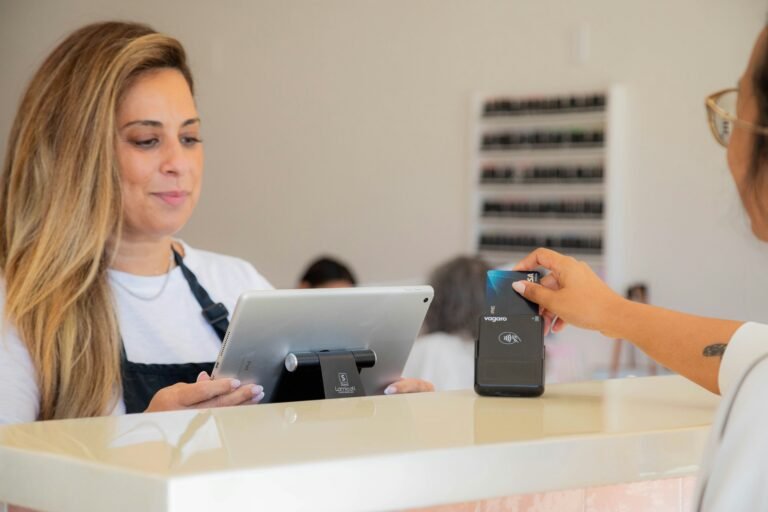
If you’re looking for a simple and risk-free way to start a salon business, a franchise model is the way to go. A franchise model is part of a big business or brand. In this model, you purchase the rights to launch a salon using an established brand name instead of creating a new business from scratch.
The store operates under a brand name while being owned and managed by a second party. In a franchise model, the original store owner licenses the right to use their brand through an agreement.
When you take up a franchise, you have access to the brand’s suppliers, product lines, inventory, and more. This definitely simplifies certain business aspects.
What Does a Salon Franchise Model Typically Include?
When you sign a franchise agreement, the following are included:
- Operating Policies: The first thing franchise owners receive is standard operating procedures (SOPs) or training playbooks. They want their clients to receive the same level of brand experience at every outlet.
- Royalty Fees: In order to start a franchise or operate under a reputed brand name, a franchisee pays a royalty fee to the brand owner. This royalty can be monthly or annually depending on the agreement.
- Technology Stacks: If the parent brand uses certain technology such as salon software, it is passed on to the franchise as well. With the right technology stacks, building a business is definitely easier.
- Product Line-up: An agreement also highlights the product categories that a franchise can carry. Everything mentioned in the agreement should align with the brand.
- Brand recognition & Trust: A major reason aspiring salon owners opt for the franchise model is because they get to benefit from the brand recognition and trust that the host company may have built over a period of time. They don’t have to create any extensive salon marketing strategies as they’re already an established brand.
- Proven Business Model: When you associate yourself with an established brand that has proven itself to be successful, you save a considerable amount of time and money since you don’t have to build from scratch.
Benefits of Owing a Salon Franchise
Franchises present a low-risk opportunity for salon brands that want to expand. Salon owners do not have to worry about managing stores/outlets directly.
Most of the salon startup costs belong to the franchisee. The biggest boon of such a beauty salon business model is that salons give their business as well as marketing plans to a new location. Franchise owners are given everything on a platter. However, the responsibility of execution is left to them.
Further in this blog, we will also be discussing the drawbacks of this model. A low-risk model also means low rewards. Since the franchisees have a higher cost burden, they also claim far more revenue. Recurring royalty payments don’t allow a franchise owner to earn much.
Challenges of Choosing a Salon Franchise Model
- High Upfront Costs: One of the biggest drawbacks/challenges of a franchisee model is the high upfront costs. Every month a royalty fee has to be paid along with franchisee fee and setup costs. Initially it might seem small. However, over a period of time, these costs keep accumulating.
- Limited Control: When you invest in a franchise, you need to stick to what they say. They will lay down the rules and protocols for you, and you just have to follow them. You can’t change the policies or amend things without their consent.
What is an Independent Salon Business?
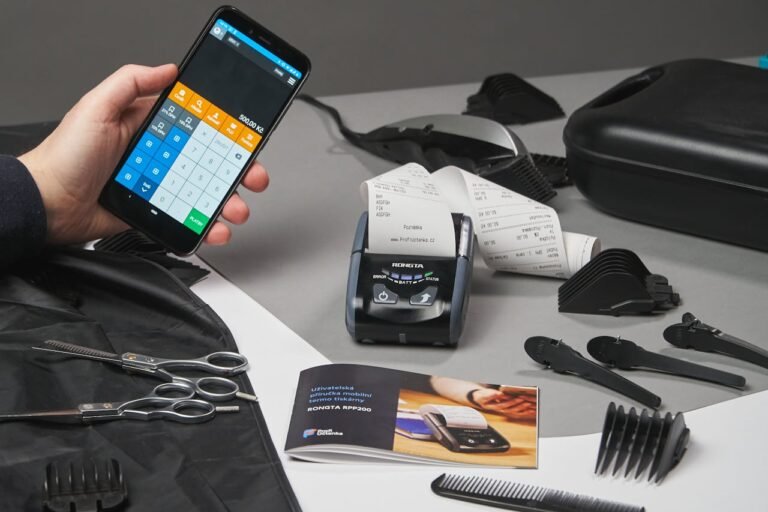
As the name implies, an independent salon business is a privately owned beauty enterprise that may have one or more stores that are owned by a single company. They may start a salon chain but not a franchise model. Every outlet they open will carry the same name, branding, product line, and operating policies.
The onus of the business is solely on one salon owner. Independent salon owners are usually free from franchise fees, corporate regulations, or any kind of rigid brand guidelines. The owner has 100% control over the business operations, menu, services or pricing.
If you’re highly passionate about starting a beauty business, going independent would be an ideal choice. With that being said, let’s look at some of the advantages of such a model.
Advantages of Owing an Independent Salon
- Enhanced Creative Freedom: As an independent salon owner, you have complete freedom to do things the way you want. You can quickly adapt to trends and personalise things in your salon. Everything you do is under your control – pricing, services, products, technology and customer experience.
- Autonomy & Profitability: Since you’re the sole owner of your beauty business, the power is vested in your hands. You’re not answerable to anybody but yourself. Also, you won’t have any kind of royalty or franchise fees eating into your margins. This gives you a higher profit potential in the long run.
- Brand Building Opportunity: When you take up a franchise, you get everything served on a platter. Sometimes, it takes away the fun of running a business. Beauty business owners who are passionate about the space often want to build from scratch. In that case, an independent beauty salon business model works. You need to work hard to develop your own reputation, marketing and client base.
Challenges of an Independent Salon Model

- Marketing & Branding from Scratch: Whether it’s chalking out salon marketing strategies or choosing a logo and identity for your brand, you need to do everything yourself. Building a brand from scratch is no mean feat. It takes a lot of time and effort, and trial and error.
- Staff & Training Issues: When you’re a newbie, you may face quite a few challenges recruiting the right talent. Also, if they’re not well-versed with the kind of beauty services you want to offer, you will further need to provide them with adequate training. This can be quite challenging as you already may be operating with limited resources.
- Higher Risk Investment: The risk profile between an independent and franchise salon model is quite different. Owning an independent salon is riskier as the initial investment or salon startup cost will be high and the revenue will be slow during early stages.
The Verdict – Independent vs. Franchise Salon
As a beauty business entrepreneur, choosing between a franchise salon or spa, and independent beauty business is definitely not an easy decision to make. There is no right or wrong route. Both the routes have their own pros and cons. It all depends on what your business vision and personal goals are.
If you’re an entrepreneur who doesn’t enjoy control, an independent business model might work for you. On the other hand, if you’re worried about the risk profiles, a franchise model may be better as the risk involved is lesser and it is a low-cost alternative.
The key deciding factors you should keep in mind are – budget, experience level, risk appetite and long-term vision.
Whether you take up a franchise or start your own salon, technology always has a great role to play. Salon360, salon software, isn’t just about convenience. It makes your overall salon model scalable. No matter what kind of salon business you run, it acts like a central nervous system that saves time and several hours of admin work daily.
To understand how Salon360 can be your dedicated salon software partner, request a free demo.
FAQs
What is the key difference between an independent and franchise salon?
The main difference between the two is that in an independent salon, the sole owner has full control over branding and operations whereas a franchise salon operates under a parent brand wherein they have full control and lay down the operating guidelines.
Which is more profitable – an independent salon or a franchise salon?
Independent salon owners enjoy higher profit margins as they don’t have to pay royalty fees. However, the initial revenue is slower. In the case of franchise salons, the upfront costs may be high but they also generate revenue faster due to brand recognition and trust.
Do I require prior experience to start a salon business?
Experience in the beauty business is always an added advantage especially if you are starting our as a sole beauty business owner. If you don’t have any kind of prior experience, a franchise salon model works best as it is more beginner-friendly and you’re likely to receive playbooks and adequate training from the start.
What is the duration for a salon to become profitable?
For you to start seeing returns and revenue growth, it typically takes six months to two years. However, it also depends on your location, investment and overall business model.
Can I convert my independent salon business into a franchise model in the future?
Yes, you can. A lot of aspiring and passionate salon owners start independently but later convert into a franchise model once they’ve gained the necessary expertise and capital.